Quick answer
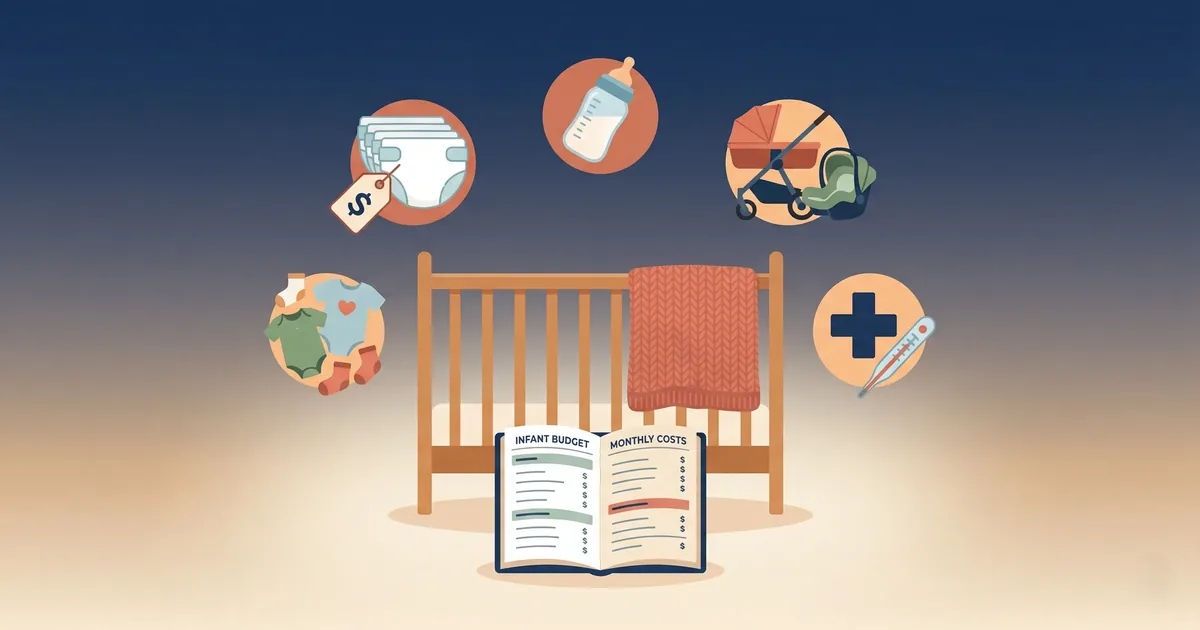
Having a baby is one of life’s greatest joys — and one of its biggest financial changes. The USDA estimates raising a child costs $233,610 from birth to age 17. The first year alone averages $12,000–$15,000. Here is how to prepare your budget.
Having a baby is one of life’s greatest joys — and one of its biggest financial changes. The USDA estimates raising a child costs $233,610 from birth to age 17. The first year alone averages $12,000–$15,000. Here is how to prepare your budget.
First-Year Cost Breakdown
| Category | Monthly Cost | Annual Cost |
|---|---|---|
| Childcare | $500–$1,500 | $6,000–$18,000 |
| Diapers & Wipes | $65–$100 | $800–$1,200 |
| Formula (if not breastfeeding) | $100–$200 | $1,200–$2,500 |
| Clothing | $40–$75 | $500–$900 |
| Medical Copays | $40–$125 | $500–$1,500 |
| Gear (one-time) | — | $1,000–$3,000 |
| Food (solids, 6 mo+) | $30–$60 | $180–$360 |
| Increased Utilities | $20–$40 | $240–$480 |
| Total (estimated) | $10,420–$27,940 |
Before Baby Arrives: Financial Checklist
- Build a baby emergency fund: Save $3,000–$5,000 above your regular emergency fund for delivery costs and unexpected expenses
- Review health insurance: Understand your deductible, out-of-pocket max, and add the baby within 30 days of birth (qualifying life event)
- Estimate leave income: Calculate how much you will receive during parental leave (paid leave, short-term disability, unpaid FMLA)
- Create a baby line item: Add a “Baby” category to your monthly budget now — start saving in it 3–6 months before the due date
- Update life insurance: If you do not have term life insurance, you should get it now. A 20-year term policy is affordable and protects your growing family
- Start a 529 plan: You can open a college savings account before birth in many states. Even small monthly contributions grow significantly over 18 years
Sample New Parent Monthly Budget
Before-and-after budget for a household earning $6,000/month:
| Category | Before Baby | After Baby |
|---|---|---|
| Housing | $1,500 | $1,500 |
| Food & Groceries | $500 | $600 |
| Transportation | $400 | $400 |
| Utilities | $200 | $240 |
| Insurance (health + life) | $400 | $500 |
| Childcare | $0 | $800 |
| Diapers & Supplies | $0 | $150 |
| Entertainment | $300 | $100 |
| Dining Out | $250 | $100 |
| Subscriptions | $80 | $40 |
| Savings | $600 | $400 |
| 529 College Fund | $0 | $100 |
| Miscellaneous | $270 | $70 |
| Total | $4,500 | $5,000 |
10 Money-Saving Tips for New Parents
- Buy secondhand: Cribs, strollers, high chairs, and clothes in great condition at 50–80% off retail
- Accept hand-me-downs: Babies outgrow everything in weeks — gently used items work perfectly
- Use store brands: Generic diapers and wipes perform just as well as name brands at 30–40% less
- Breastfeed if possible: Saves $1,200–$2,500/year in formula costs
- Register strategically: Add essentials to your baby registry: diapers, wipes, and useful items instead of fun-only gifts
- Make baby food: Steam and blend vegetables at home for much less than store-bought pouches
- Buy diapers in bulk during sales: Stock up when prices drop and use cashback apps
- Skip unnecessary gadgets: Wipe warmers, baby shoes (before walking), and fancy diaper bags are nice but not essential
- Use the library: Free baby books, storytime events, and play groups
- Flexible spending account: Use pre-tax dollars for childcare and medical expenses through your employer’s FSA
Frequently Asked Questions
How much does a baby cost in the first year?
$12,000–$15,000 on average excluding birth. Major costs: childcare ($6K–$18K), diapers ($800–$1,200), formula ($1,200–$2,500), and medical copays.
How much should I save before having a baby?
3–6 months of expenses in emergency savings plus $3,000–$5,000 for baby preparations and medical costs.
What is the biggest baby expense?
Childcare at $500–$1,500+ per month depending on location and care type.
How can I save money on baby gear?
Buy secondhand (except car seats), accept hand-me-downs, register for essentials, and skip unnecessary gadgets.
Should I change my budget before or after the baby arrives?
Before. Start 3–6 months before the due date by moving optional spending money into a baby fund.